
Minimalism has become more than just a design trend; it is a lifestyle choice that reflects simplicity, clarity, and intention. In interior design, minimalist wall art is one of the most effective ways to create a clean, sophisticated, and serene environment. Unlike heavily ornate or complex artwork, minimalist pieces use simplicity, negative space, and subtle elements to make a statement without overwhelming a room. Whether you are redecorating your living room, bedroom, office, or hallway, minimalist wall art can instantly elevate your space while keeping it uncluttered. Here are ten inspiring ideas to help you bring minimalism to your walls.

1. Abstract Line Art
Abstract line art is a staple of minimalist design. Typically composed of single or continuous lines, these artworks create shapes or figures in a simple yet elegant way. The charm lies in their ability to convey motion and emotion using minimal strokes. Black lines on a white canvas are classic, but muted or earthy tones can soften the look for a cozier space. Pairing a few line art pieces together in a gallery-style arrangement can create visual interest while maintaining the minimalist aesthetic.

2. Geometric Shapes
Geometric shapes are perfect for modern minimalist interiors. Triangles, circles, and squares arranged symmetrically or in an asymmetric pattern can add a subtle architectural feel to your walls. These shapes can be rendered in soft pastels, monochrome shades, or metallic accents. Minimalist geometric art works well above a sofa, bed, or desk, offering a focal point without overwhelming other design elements.

3. Monochromatic Photography
Photography in a single color palette can be incredibly striking while remaining minimalist. Black-and-white photography is the most common, but muted tones like sepia, dusty pink, or gray can also create a calming effect. Subjects like nature, urban landscapes, or abstract forms are ideal. Frame the photographs in simple, thin frames for a modern and polished look. A single large photograph can make a statement, or you can cluster several small frames for a subtle gallery wall effect.

4. Minimalist Typography
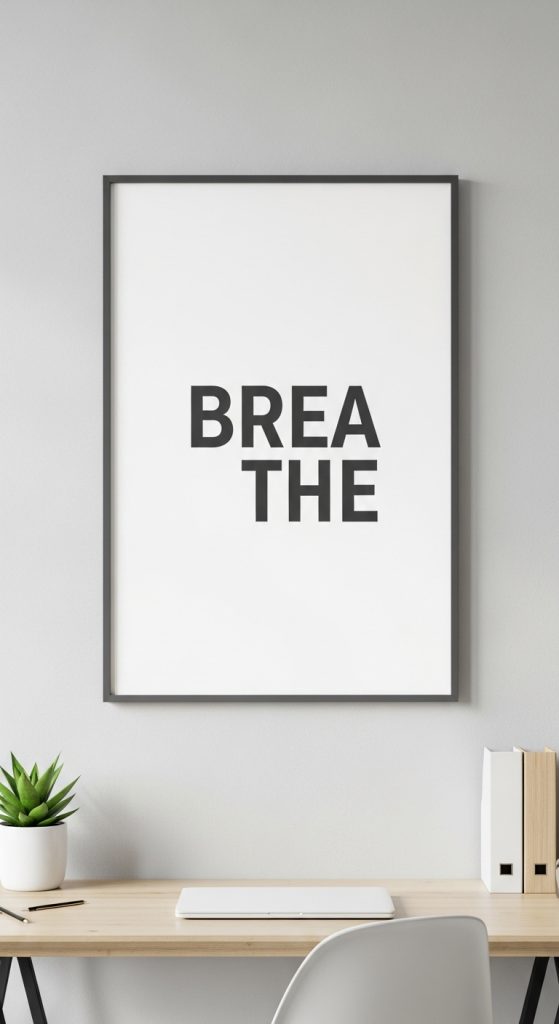
Words have power, and minimalist typography leverages that by using bold or clean fonts with minimal text. A single word, an inspiring quote, or a simple phrase can add personality to your wall without visual clutter. Stick to neutral colors, such as black, white, or gray, and avoid elaborate fonts. This type of wall art works particularly well in home offices, bedrooms, or entryways where motivation and serenity are desired.
5. Nature-Inspired Prints
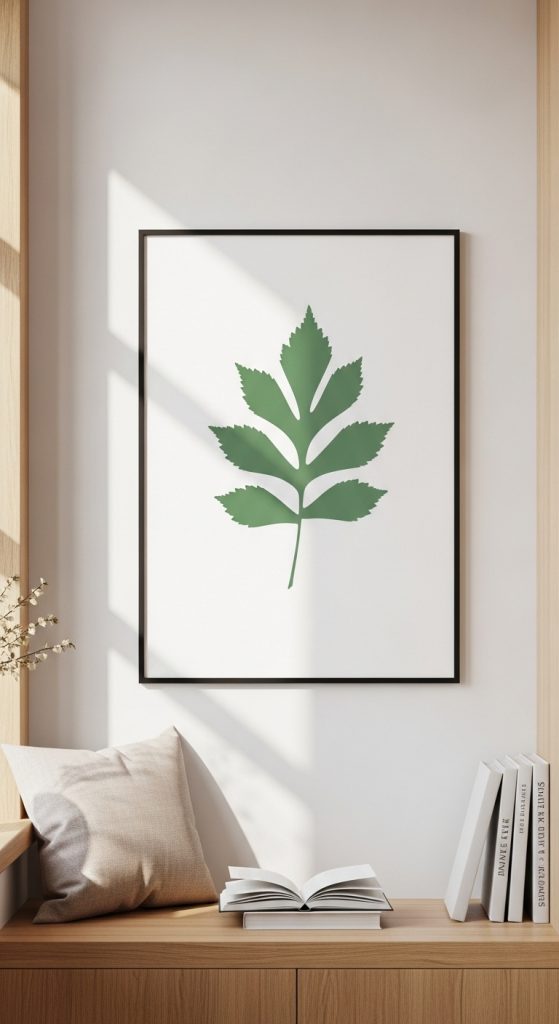
Minimalist nature-inspired prints bring the outdoors inside without overcomplicating the design. Think of a simple leaf silhouette, a single flower stem, or a subtle mountain line drawing. The focus is on simplicity, using minimal color and detail to evoke calm and balance. Nature-inspired minimalist art is versatile and works well in bedrooms, bathrooms, or any space where a tranquil atmosphere is desired.
6. Negative Space Art
Negative space is a key principle in minimalist art. By intentionally leaving large areas of blank space around a subject, the artwork feels open and uncluttered. Examples include an isolated figure, a simple object, or a small geometric design centered on a large canvas. Negative space art allows the eyes to rest and makes the piece feel modern and airy. This type of art works particularly well in spaces with high ceilings or expansive walls where the emptiness becomes part of the design.

7. Minimalist Landscapes
Instead of detailed scenic paintings, minimalist landscapes focus on shapes, colors, and composition. A horizon line with a soft gradient, a solitary tree, or a distant mountain silhouette can evoke a sense of serenity and openness. These pieces often rely on muted color palettes, such as pastels or shades of gray and blue. Minimalist landscapes are perfect for living rooms, bedrooms, and even hallways, creating a calming backdrop without dominating the room.

8. Floating Wall Panels
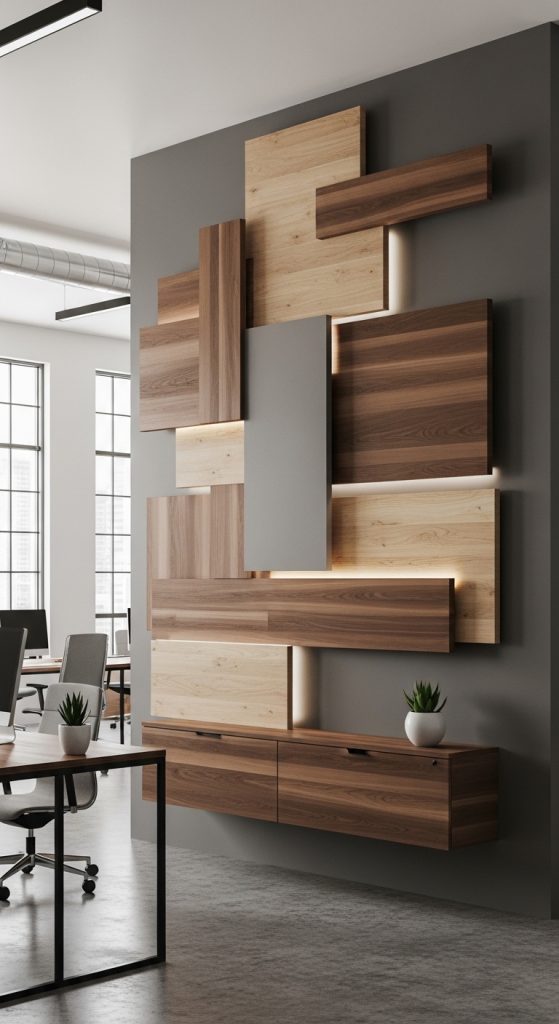
Minimalist wall panels add texture and depth while maintaining a simple aesthetic. These can be wooden panels, acoustic panels, or fabric-mounted panels in neutral tones. By arranging them asymmetrically or in a grid, you create interest without using complex patterns or colors. Floating panels work especially well in modern offices, living rooms, or studios where both form and function are desired. They are subtle yet impactful, enhancing the wall without cluttering it.
9. Abstract Color Blocks
Abstract color block art uses large, simple sections of color to make a bold yet minimalist statement. Think broad strokes or geometric patches in muted tones like beige, gray, blush, or soft green. The key is simplicity; avoid intricate patterns or multiple colors. This type of wall art can brighten neutral interiors and add dimension to walls in living rooms, dining areas, or bedrooms.

10. Sculptural Wall Art
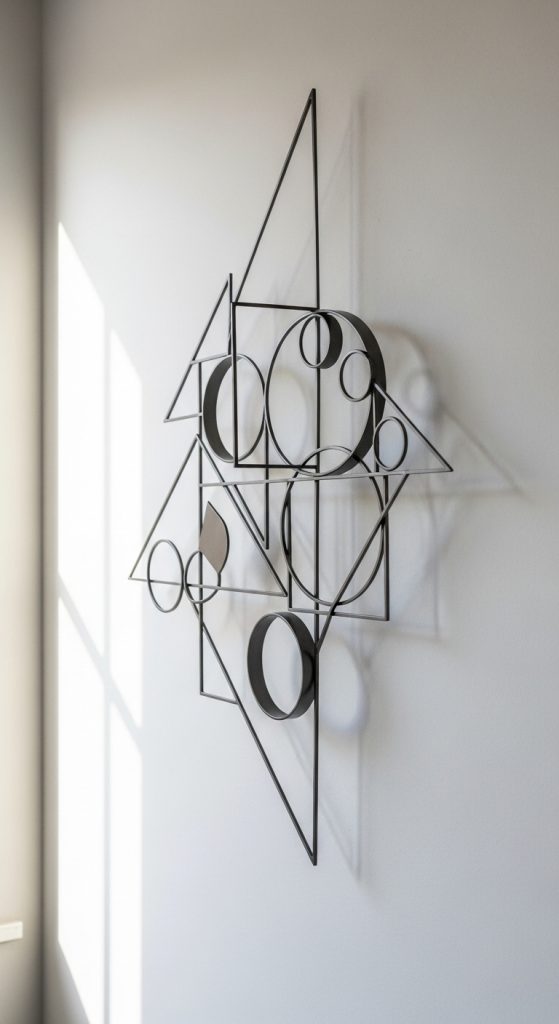
Minimalism doesn’t have to be limited to flat surfaces. Sculptural wall art—such as metal shapes, wooden cutouts, or simple 3D forms—adds depth and intrigue while remaining understated. Choose designs with clean lines and neutral finishes to keep the minimalist aesthetic intact. Sculptural pieces work beautifully in hallways, above sofas, or in minimalist gallery walls as a unique centerpiece.
Final Thoughts
Minimalist wall art is about balance, restraint, and intention. It’s not simply “less is more”; it’s about carefully selecting pieces that resonate with your space and personality while maintaining clarity and harmony. Whether you prefer abstract line art, monochromatic photography, or sculptural elements, minimalism allows you to create a visually calming environment that still feels sophisticated and stylish. By incorporating these ten minimalist wall art ideas, you can transform your walls into serene, elegant focal points that enhance the overall ambiance of your home.
Leave a Reply