
Easter is a joyful time of year filled with bright colors, playful decorations, and exciting traditions that children love. For preschoolers, Easter is not only about chocolate eggs and bunny baskets—it is also a wonderful opportunity for learning, creativity, and hands-on exploration. Seasonal activities help young children develop important skills such as fine motor coordination, creativity, teamwork, and early problem-solving abilities.
Preschool Easter activities should be simple, colorful, and engaging. Activities that involve painting, cutting, gluing, and sensory play are especially effective because they keep children interested while helping them learn. Whether you are a teacher planning classroom fun or a parent looking for easy activities at home, these Easter-themed ideas will make the holiday extra special for little learners.
Below are ten fun Easter preschool activity ideas that combine creativity, learning, and holiday excitement.

1. Easter Egg Color Sorting
Color sorting is a fantastic early learning activity for preschoolers. Using plastic Easter eggs in different colors, children can practice identifying and grouping colors.
Start by placing colored baskets or bowls on a table. Then give children a pile of plastic eggs in various colors and ask them to match each egg to the correct basket. This activity improves color recognition, sorting skills, and hand-eye coordination.
You can also turn it into a game by timing how fast children can sort the eggs or by hiding the eggs around the room for a mini Easter hunt.
2. Bunny Ear Headband Craft
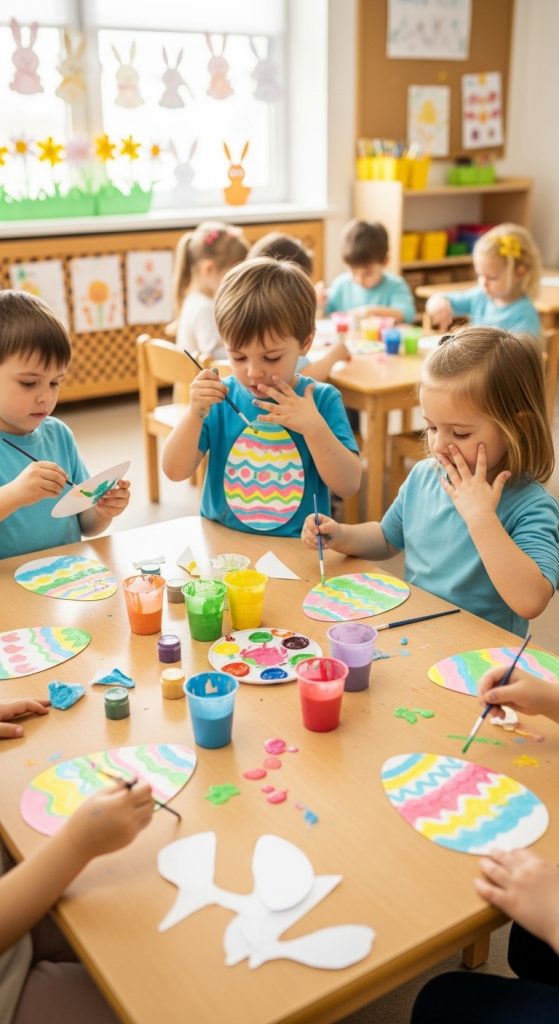
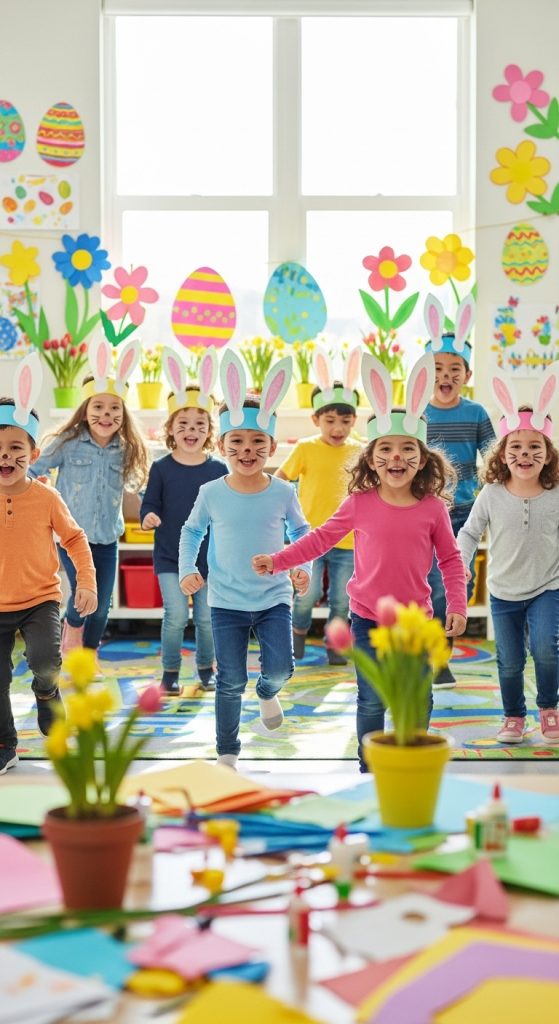
Preschoolers love dressing up, and making bunny ears is a fun and simple craft activity. Provide construction paper, cotton balls, glue, crayons, and scissors.
Children can decorate their bunny ears with drawings, glitter, or stickers. Afterward, help them attach the ears to a paper headband that fits around their heads.
Once finished, kids can wear their bunny ears while hopping around like bunnies. This activity encourages imagination, creativity, and fine motor development.
3. Easter Egg Painting
Painting Easter eggs is a classic activity that preschoolers always enjoy. Instead of using real eggs, teachers and parents can use plastic eggs, wooden eggs, or egg-shaped paper cutouts.
Provide washable paints in pastel colors such as pink, yellow, blue, and green. Children can decorate their eggs with dots, stripes, flowers, or simple patterns.
Egg painting encourages creativity while helping children practice brush control and color mixing.

4. Cotton Ball Bunny Craft
This adorable craft is perfect for preschoolers because it uses simple materials and produces a cute result.
Start with a bunny-shaped outline on paper. Children can glue cotton balls onto the bunny’s body to create soft fur. Then they can add googly eyes, a small pink pom-pom nose, and paper ears.
The activity strengthens fine motor skills and allows children to explore different textures.

5. Easter Sensory Bin
Sensory play is extremely beneficial for preschool development. An Easter sensory bin can include plastic eggs, shredded paper grass, small bunny toys, and pastel-colored beads or pom-poms.
Children can scoop, pour, hide, and discover items inside the bin. You can also hide small objects inside the eggs for children to find.
Sensory bins help improve focus, sensory awareness, and imaginative play.

6. Carrot Counting Game
This activity combines Easter fun with early math skills. Cut out carrot shapes from orange paper and write numbers on each carrot.
Children can practice counting by placing the correct number of small items—such as buttons, beads, or pom-poms—onto each carrot.
This game strengthens number recognition and counting skills while keeping the activity playful and engaging.

7. Easter Egg Stamping Art
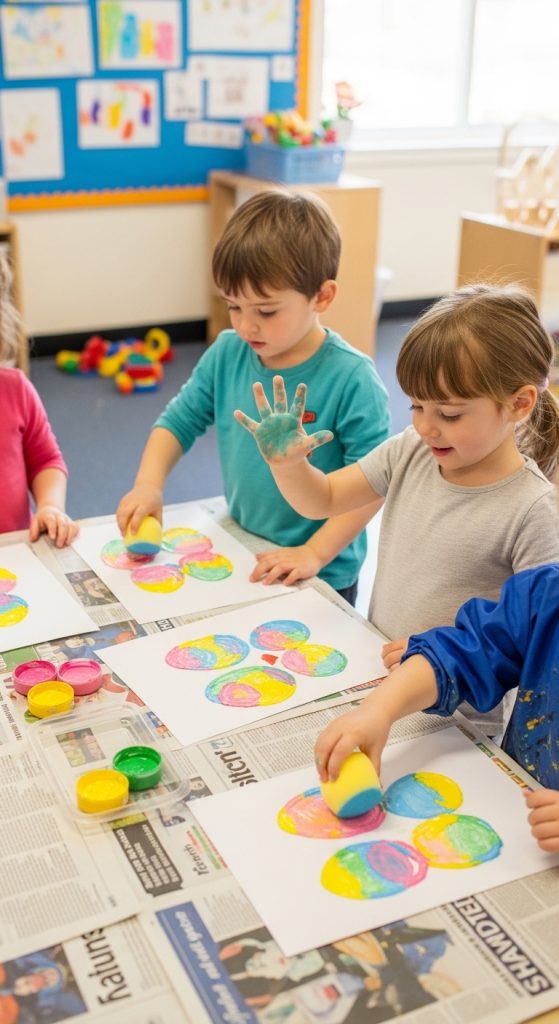
Instead of traditional painting, try egg stamping. Cut plastic eggs in half or use egg-shaped sponges dipped in paint.
Children can stamp colorful egg shapes onto paper to create festive artwork. They can also layer different colors to make fun patterns.
Stamping helps children experiment with shapes and patterns while building hand control.
8. Bunny Hop Movement Game
Preschoolers have lots of energy, so movement games are perfect for them. The Bunny Hop Game encourages physical activity and coordination.
Place paper eggs around the room and ask children to hop like bunnies from egg to egg. You can play music and stop it occasionally so children freeze like statues.
This game improves balance, coordination, and listening skills.

9. Easter Storytime and Drawing
Storytime is a calming yet engaging activity. Read a simple Easter-themed story to the children, then invite them to draw their favorite part of the story.
Provide crayons, markers, and colored pencils so children can express their imagination through drawings of bunnies, eggs, chicks, or spring flowers.
This activity supports language development, creativity, and storytelling skills.

10. Mini Easter Egg Hunt
No Easter celebration would be complete without an egg hunt. For preschoolers, keep the hunt simple and safe.
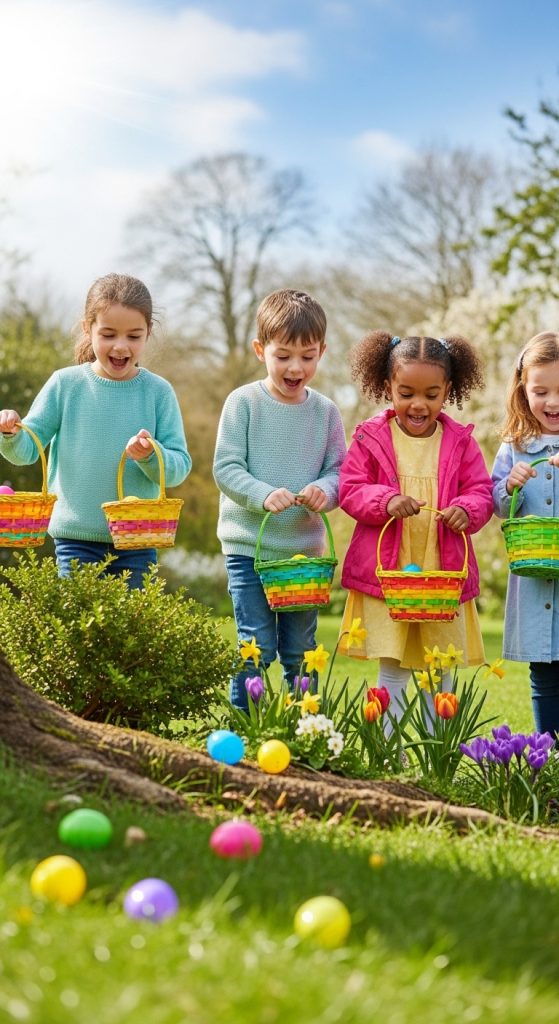
Hide colorful plastic eggs around the classroom or yard. Inside the eggs, place small stickers, stamps, or tiny toys instead of candy.
Children can collect eggs in small baskets and count how many they find. This activity encourages excitement, teamwork, and exploration.
Why Easter Activities Are Important for Preschoolers
Holiday activities provide more than just entertainment. They create meaningful learning experiences that support early childhood development. Through Easter-themed crafts and games, preschoolers practice essential skills such as:
- Fine motor development through cutting, gluing, and painting
- Early math skills through counting and sorting
- Creativity and imagination through art and play
- Social skills through group activities
- Physical coordination through movement games
Seasonal activities also help children understand traditions and celebrate special moments with friends and family.
Making Easter Activities Even More Fun
To make Easter activities more memorable for preschoolers, consider adding colorful decorations, cheerful music, and themed snacks. Simple decorations like paper bunnies, pastel balloons, and egg garlands can transform a classroom or play area into a festive Easter space.
It is also helpful to keep activities short and flexible. Preschoolers have shorter attention spans, so rotating between crafts, games, and movement activities keeps them engaged and happy.
Most importantly, focus on fun rather than perfection. Children enjoy the process of creating and exploring far more than the final result.
With these Easter preschool activity ideas, teachers and parents can create joyful moments that children will remember long after the holiday ends.
Leave a Reply