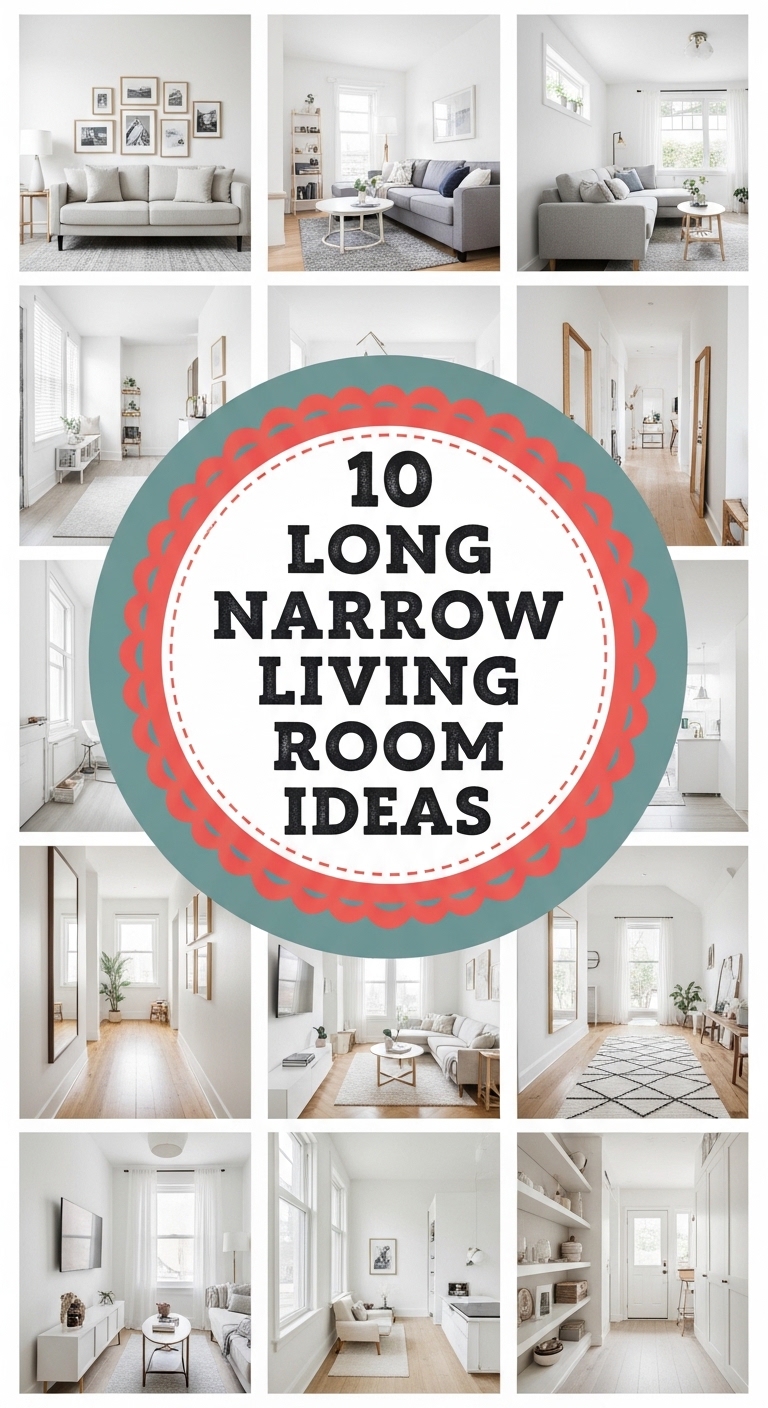
A long narrow living room can feel like a design challenge, but with the right approach, it can become one of the most stylish and functional spaces in your home. Instead of seeing the layout as a limitation, think of it as an opportunity to create distinct zones, enhance flow, and experiment with creative furniture arrangements. With thoughtful planning, lighting, and décor choices, even the most compact rectangular living room can feel open, balanced, and inviting.
Below are 10 detailed ideas to help you transform a long narrow living room into a beautiful, practical, and comfortable space.
1. Create Separate Functional Zones
One of the best ways to handle a narrow layout is to divide the room into zones. Instead of treating it as one long space, break it into smaller sections such as a seating area, reading corner, or dining space. You can use rugs, lighting, or furniture placement to define each zone without adding walls. This helps the room feel organized and less tunnel-like.
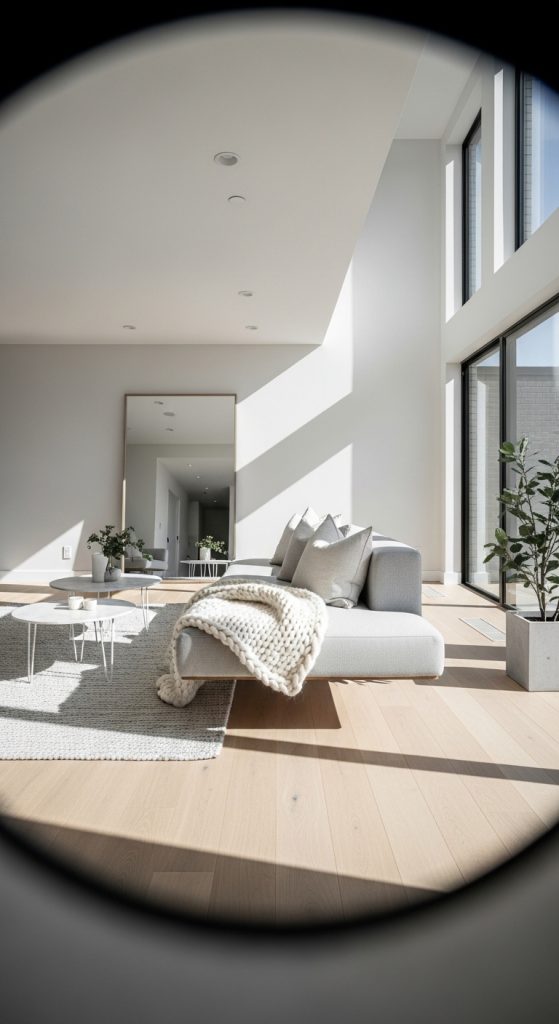
2. Use Floating Furniture Layouts
Avoid pushing all furniture against the walls, which can emphasize the narrow shape. Instead, float your sofa and chairs toward the center to create balance. A central coffee table or console behind the sofa can further enhance structure while improving movement around the space.
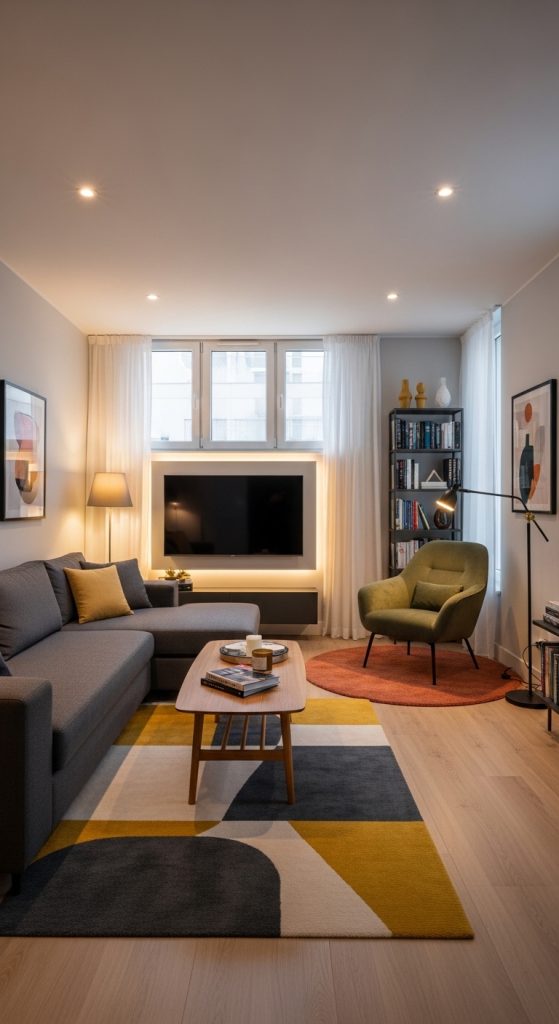
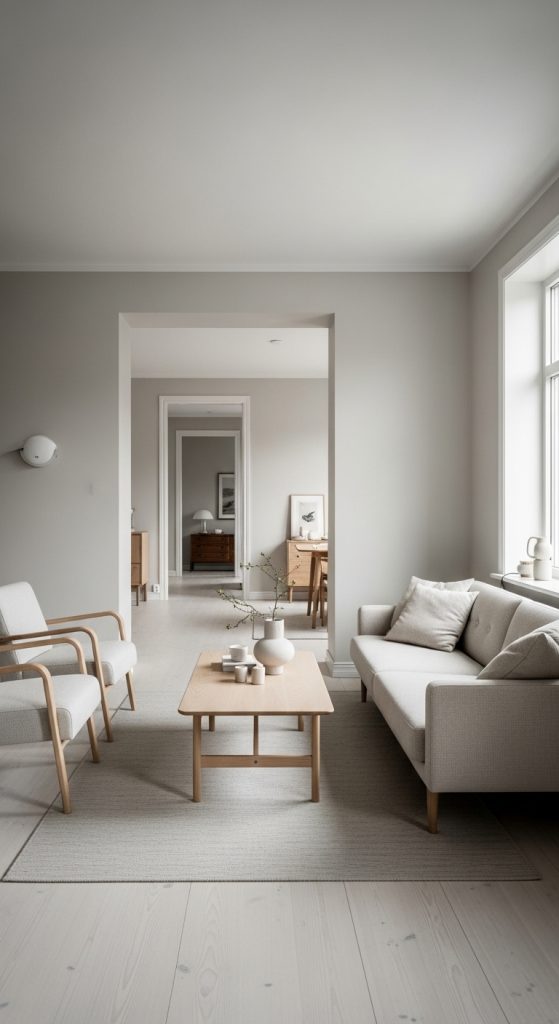
3. Choose a Light and Neutral Color Palette
Light colors make narrow spaces feel wider and more open. Shades like soft white, beige, light gray, and pastel tones reflect natural light and reduce visual clutter. You can still add personality through cushions, artwork, and rugs without overwhelming the room.
4. Use Mirrors to Expand the Space
Mirrors are a powerful design tool for narrow living rooms. Placing a large mirror on one side wall can instantly double the visual depth of the room. Mirrored furniture or decorative mirror panels can also reflect light and make the space feel airier and more open.
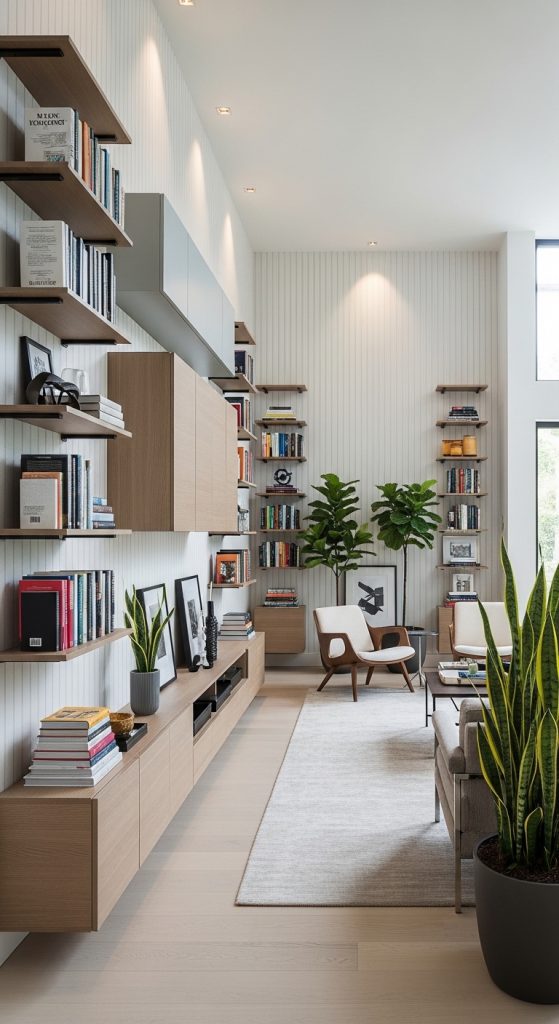
5. Go Vertical with Storage and Decor
When floor space is limited, think vertically. Tall bookshelves, wall-mounted cabinets, and vertical art arrangements draw the eye upward, making the room feel taller. Vertical storage also keeps the floor clear, improving movement in tight layouts.
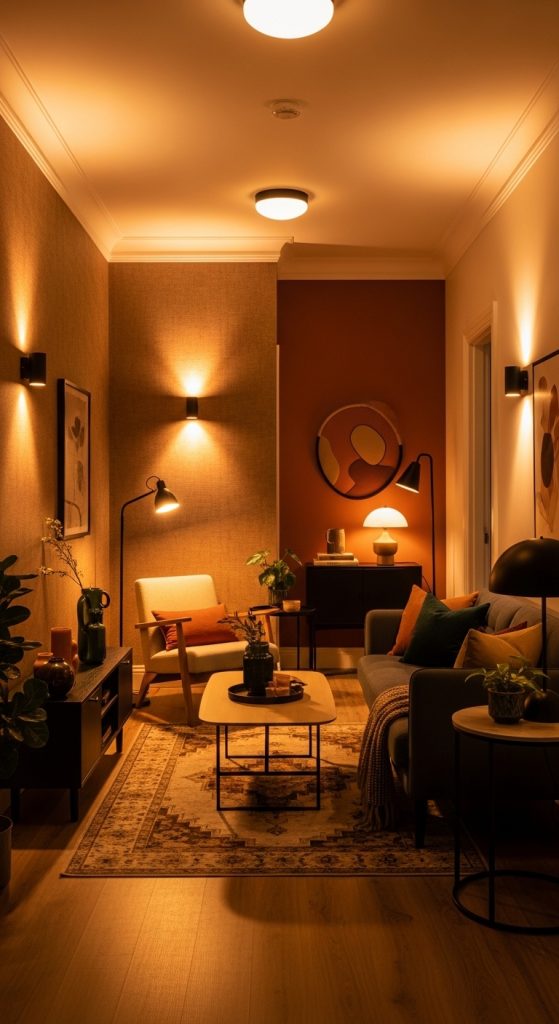
6. Use Slim and Multi-Functional Furniture
Bulky furniture can overwhelm a narrow room. Instead, choose slim-profile sofas, armless chairs, and narrow coffee tables. Multi-functional furniture such as storage ottomans or nesting tables helps save space while maintaining practicality.
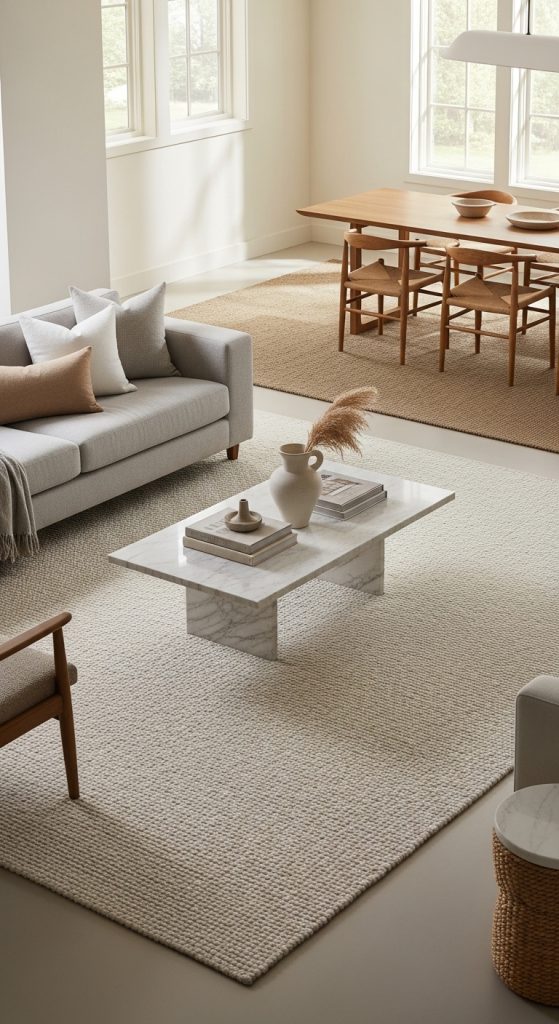
7. Install Strategic Lighting Layers
Good lighting can completely change how a narrow room feels. Combine ceiling lights, floor lamps, and wall sconces to create layered illumination. Avoid relying on a single overhead light, as it can make the space feel flat and cramped. Warm lighting also adds coziness and depth.
8. Use Rugs to Define and Balance Areas
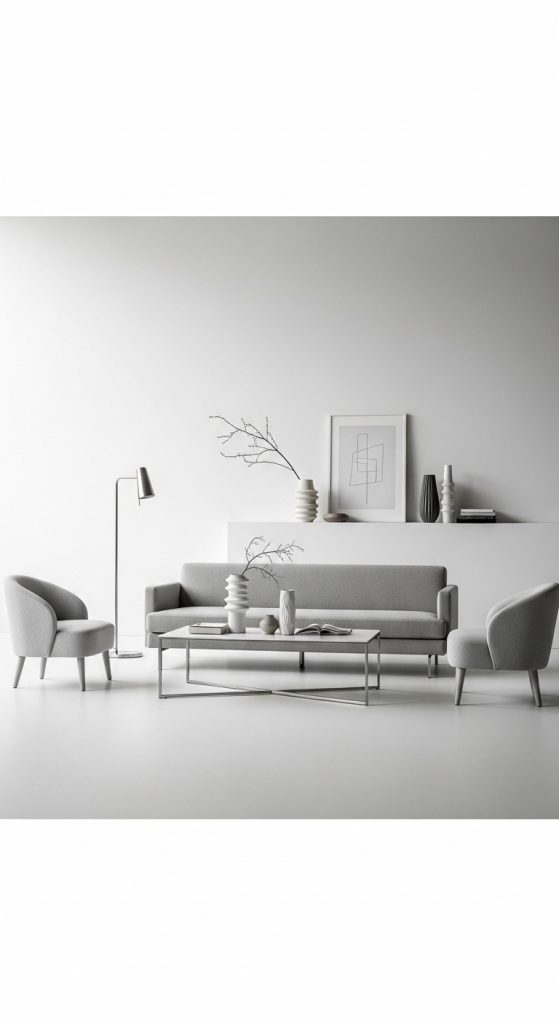
Rugs are essential in long living rooms because they help break up the space visually. Place large area rugs under seating zones to anchor furniture and create separation. Choose patterns that add depth but avoid overly busy designs that can make the room feel smaller.
9. Keep Traffic Flow Clear and Open
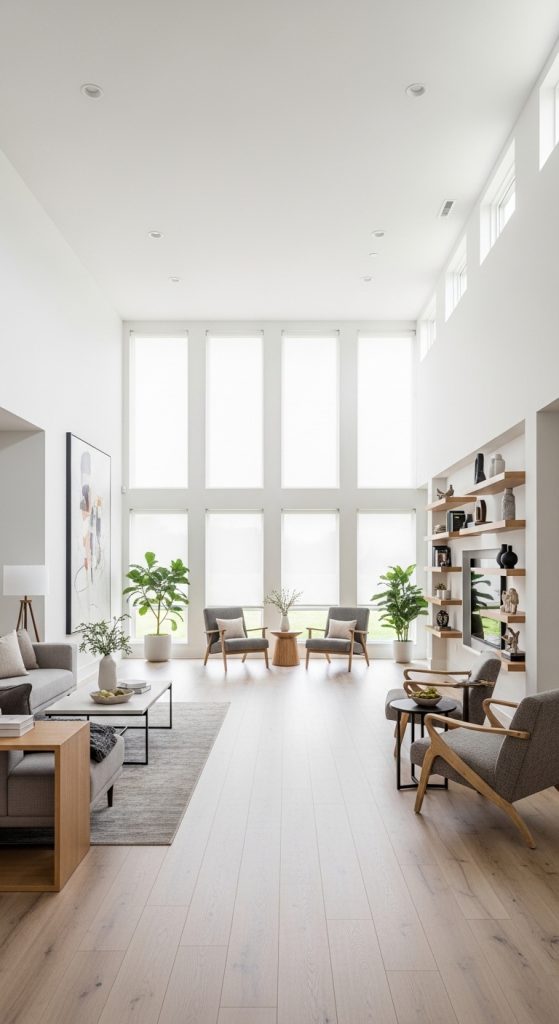
A narrow room should always allow easy movement from one end to the other. Avoid blocking pathways with oversized furniture. Instead, arrange pieces along the sides while keeping a central walkway open. This improves functionality and makes the room feel less congested.
10. Add Depth with Artwork and Accent Walls
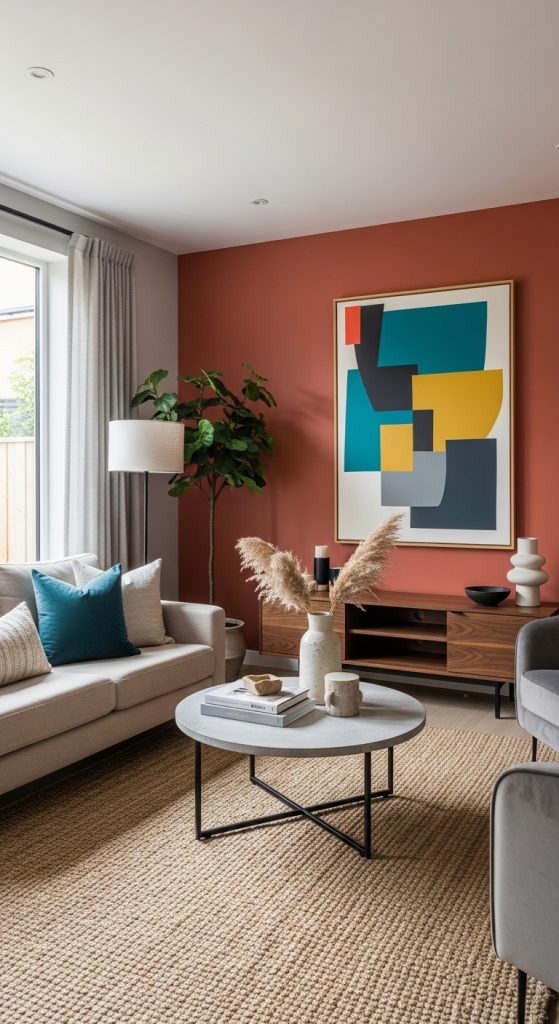
Artwork and accent walls can help balance proportions in a long room. A feature wall at one end can draw attention and break the tunnel effect. Large-scale art pieces or gallery walls also add personality and create focal points that make the space feel intentional and stylish.
Conclusion
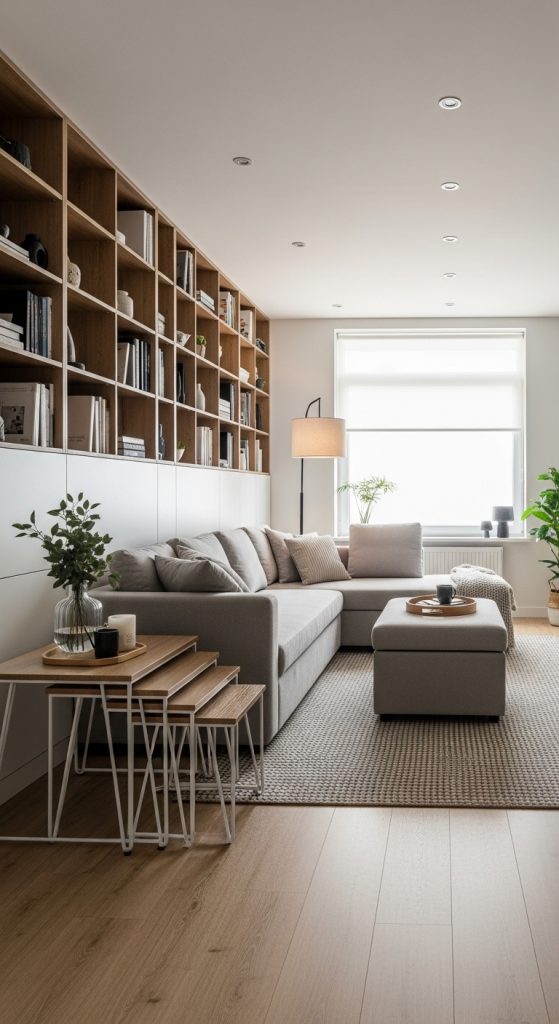
Designing a long narrow living room is all about balance, proportion, and smart planning. By dividing zones, using light colors, selecting the right furniture, and incorporating vertical design elements, you can turn a challenging layout into a beautifully functional living space. The key is to embrace the shape rather than fight it, using creativity to enhance both comfort and aesthetics.
Leave a Reply