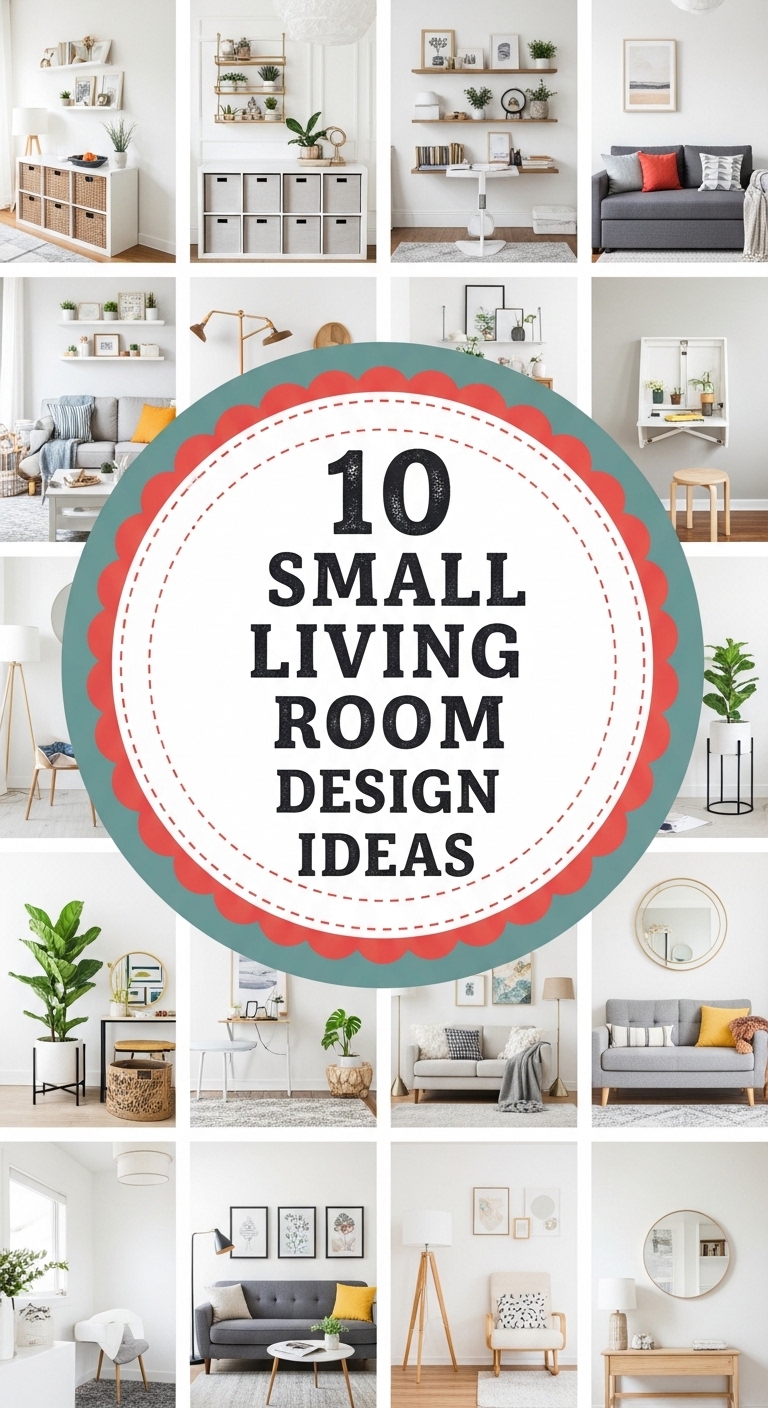
Designing a small living room can be both a challenge and an opportunity. While limited space may seem restrictive, it encourages creativity, thoughtful planning, and smart solutions that maximize functionality without compromising style. With the right design ideas, even the coziest living room can feel spacious, welcoming, and stylish. Here are 10 small living room design ideas to inspire your next makeover.
1. Opt for Multi-Functional Furniture
In a small living room, every piece of furniture should serve more than one purpose. Consider sofas with hidden storage, ottomans that double as coffee tables, or wall-mounted foldable desks. Multi-functional furniture not only reduces clutter but also creates more space for movement, making the room feel larger and more organized.

2. Embrace Light Colors
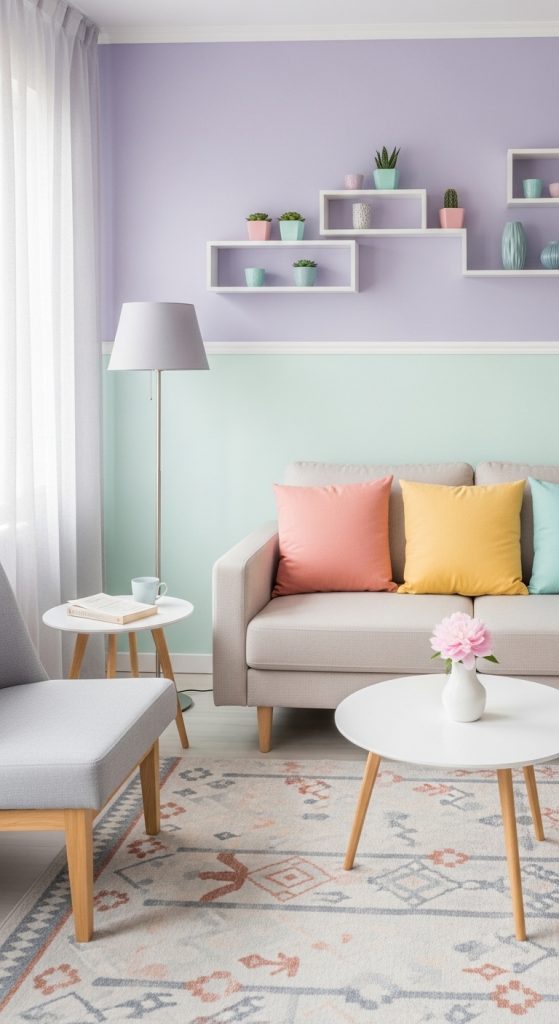
Light colors can make a room feel more open and airy. Shades of white, cream, pastel blues, or soft greys reflect light and create an illusion of space. To add personality, layer textures through rugs, cushions, and throws rather than heavy colors. Keeping the walls and large furniture pieces in light tones sets a serene, expansive backdrop for smaller living rooms.

3. Use Mirrors Strategically
Mirrors are a classic trick for making small spaces feel bigger. Placing a large mirror opposite a window doubles the natural light, creating a brighter and more open atmosphere. You can also use a gallery wall of smaller mirrors or mirrored furniture accents to enhance depth without overwhelming the space.

4. Maximize Vertical Space
When floor space is limited, think vertically. Tall bookshelves, floating shelves, and wall-mounted cabinets draw the eye upward and provide storage without consuming precious floor area. You can also hang artwork higher on the walls or install vertical lighting fixtures to enhance this effect.
5. Choose Sleek, Compact Furniture
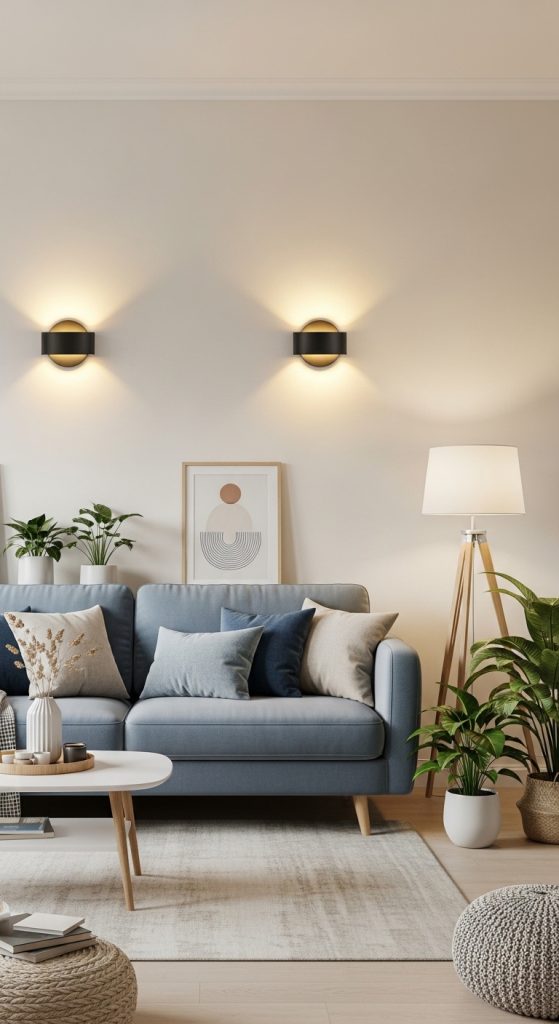
Bulky furniture can quickly overwhelm a small living room. Opt for streamlined sofas, chairs with thin legs, and minimalist coffee tables. Glass or acrylic furniture pieces create visual openness, allowing light to pass through and giving the illusion of extra space. Selecting furniture proportional to your room size is key to maintaining balance.

6. Incorporate Multi-Level Lighting
Lighting can dramatically affect how spacious a room feels. Use a combination of ceiling lights, floor lamps, and wall sconces to brighten all corners of the room. Layered lighting reduces shadows and creates a sense of depth. Avoid heavy, dark fixtures; instead, opt for slim, modern designs that keep the room airy.

7. Keep Decor Minimal
In small spaces, less is more. Limit the number of accessories, avoid overstuffed shelves, and choose a few statement pieces rather than crowding the room with decor. Simple, clean lines and minimal clutter enhance a sense of openness, making the living room feel larger than it really is.
8. Incorporate Open Storage
Open storage solutions, like wire baskets, open shelving, or glass-front cabinets, keep belongings visible but organized. This approach can reduce the visual weight of furniture while maintaining functionality. Open storage also encourages you to regularly declutter, which is essential in a small living space.
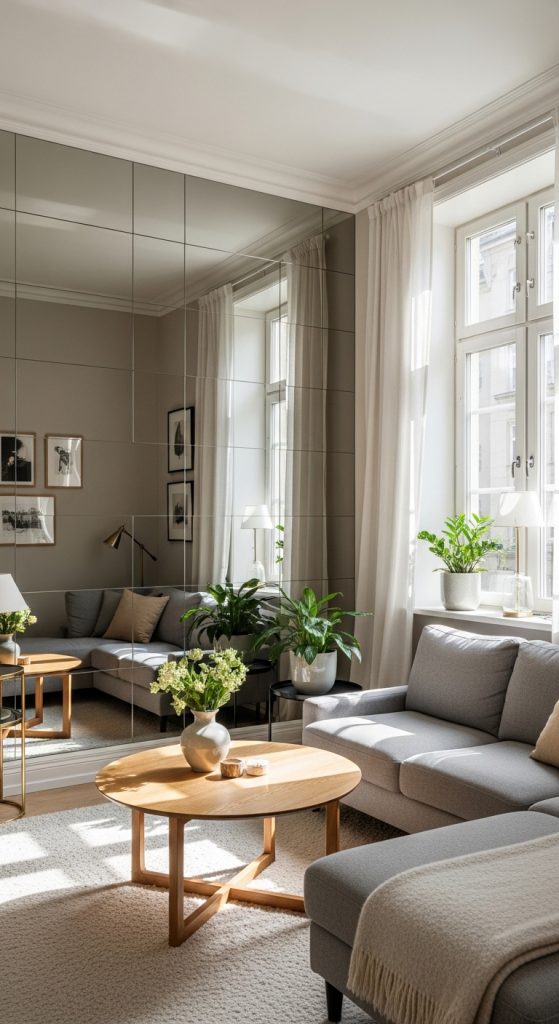
9. Use Rugs to Define Zones
In a compact living room, rugs can help define different functional areas. For example, a small rug under the seating area creates a cozy focal point, while leaving surrounding floor space visible prevents the room from feeling crowded. Choose rugs with subtle patterns or light colors to maintain a sense of openness.

10. Reflect Your Personal Style with Art and Textiles
Even in a small living room, you can inject personality through art, cushions, throws, and curtains. Choose pieces that complement the color palette and scale them appropriately for the space. Vertical artwork, small sculptures, and textiles with soft textures can enhance visual interest without overpowering the room.

Leave a Reply