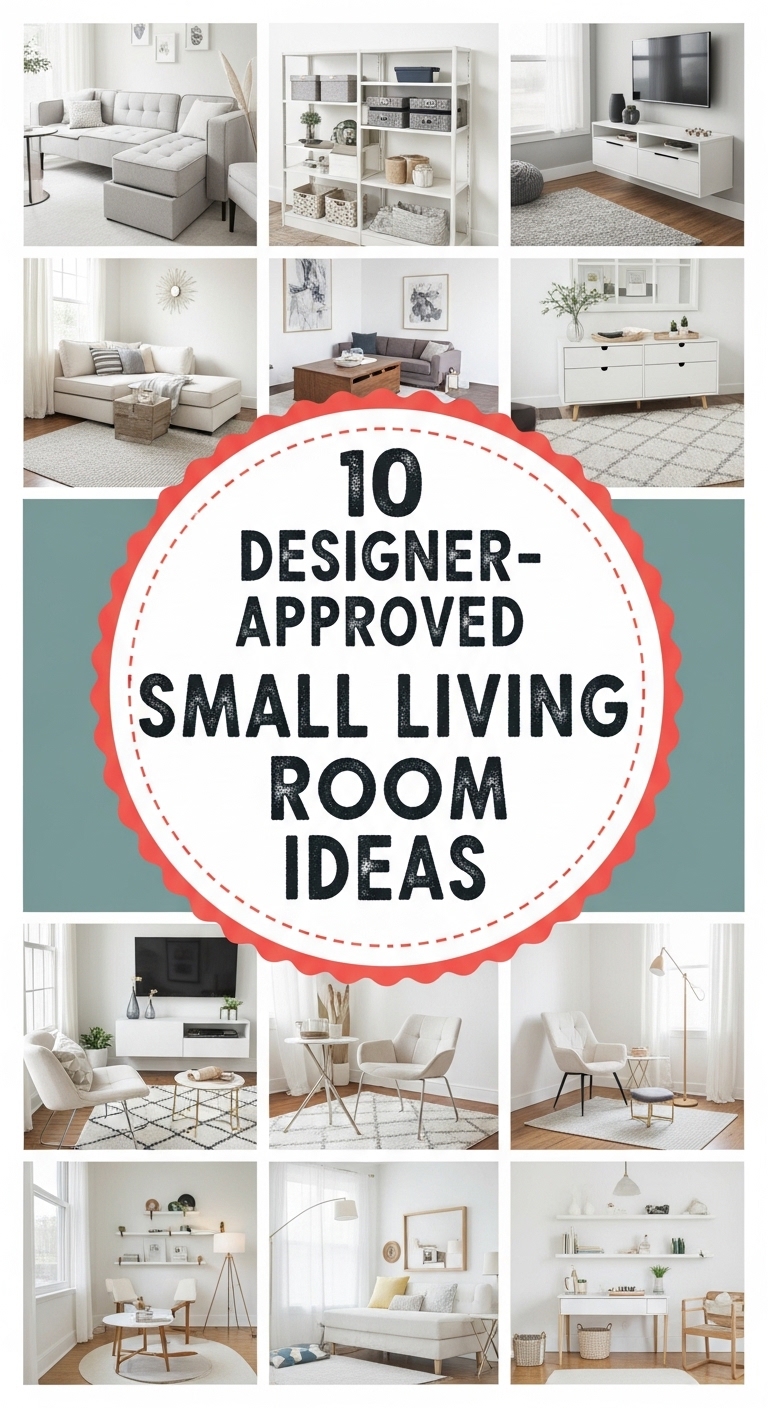
Designing a small living room can feel like a daunting task. Limited space often means you must carefully choose furniture, color schemes, and décor to create a cozy yet functional environment. However, small living rooms have the potential to be incredibly stylish if designed thoughtfully. Top interior designers have shared their tips and tricks for maximizing both aesthetics and utility. Below, we explore 10 designer-approved ideas that will transform your compact living area into a chic, inviting space.

1. Embrace Light Colors and Neutral Palettes
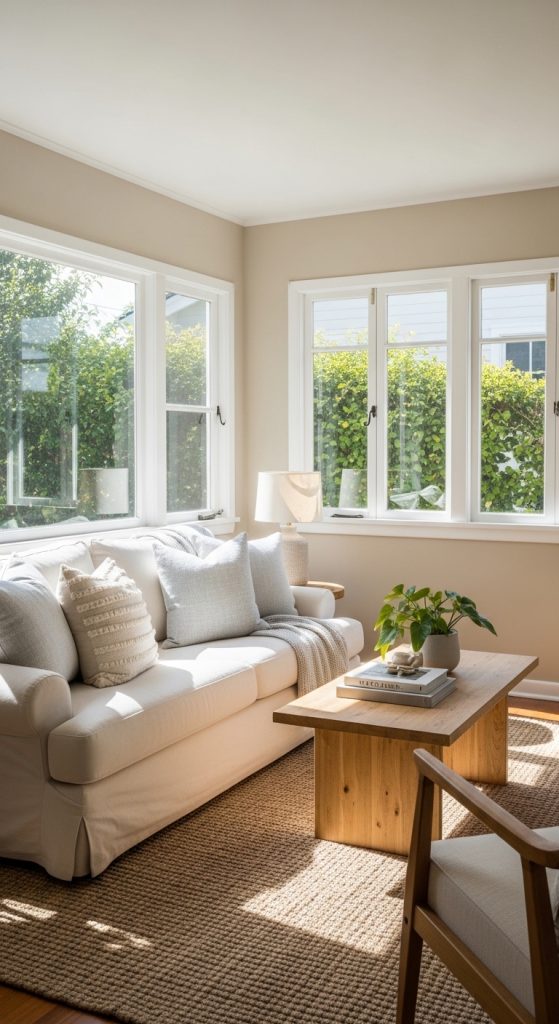
One of the first things designers recommend for small living rooms is to use light and neutral colors. Shades like soft beige, off-white, pale gray, and muted pastels make the room feel more open and airy. Light-colored walls reflect natural light, giving the illusion of a larger space. You can complement this palette with pops of muted tones in cushions, rugs, or artwork. The key is balance—too many bold colors can make a small room feel cramped.
2. Multi-Functional Furniture Is a Must
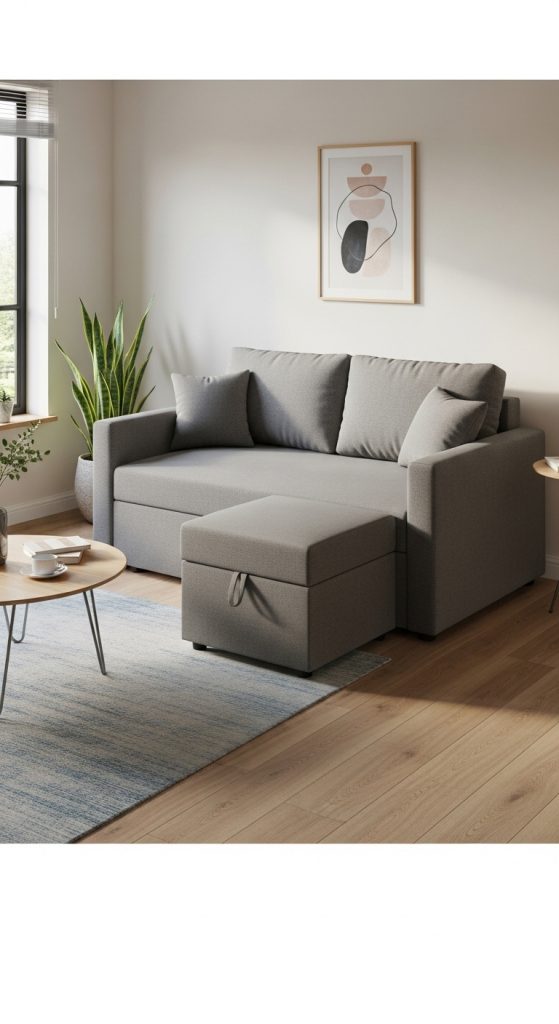
When space is limited, every piece of furniture should serve more than one purpose. Designers suggest investing in pieces like ottomans with hidden storage, coffee tables with shelving, or sofa beds. These items save space while keeping your living room organized. For instance, a storage ottoman can serve as both seating and a place to stash blankets, books, or toys, keeping the room clutter-free.
3. Opt for Open-Legged Furniture
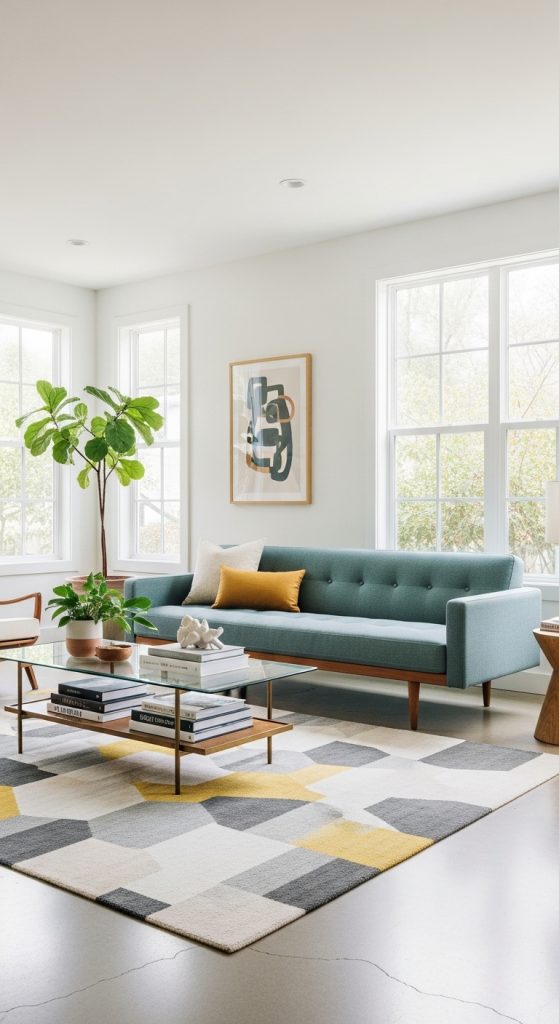
Visual weight matters in small spaces. Bulky furniture can overwhelm a small room, so designers often recommend furniture with open legs or transparent materials like acrylic or glass. A sofa with slim legs or a glass coffee table allows light to flow underneath, creating a feeling of openness. Even open shelving can contribute to this airy effect while providing storage.
4. Create a Focal Point
A small living room can feel disjointed if there’s no clear focal point. Designers suggest establishing one area to draw the eye, whether it’s a statement piece of furniture, a bold rug, or a striking piece of artwork. A small accent wall in a deeper color or patterned wallpaper can also serve as a focal point, adding depth and personality without overcrowding the space.

5. Use Mirrors Strategically
Mirrors are a classic designer trick for making a room feel larger. Position a large mirror opposite a window to reflect natural light and create an illusion of depth. Even multiple smaller mirrors arranged creatively can enhance brightness and add visual interest. In addition, mirrored furniture, like a console table or sideboard, can subtly expand the sense of space.

6. Vertical Storage and Shelving
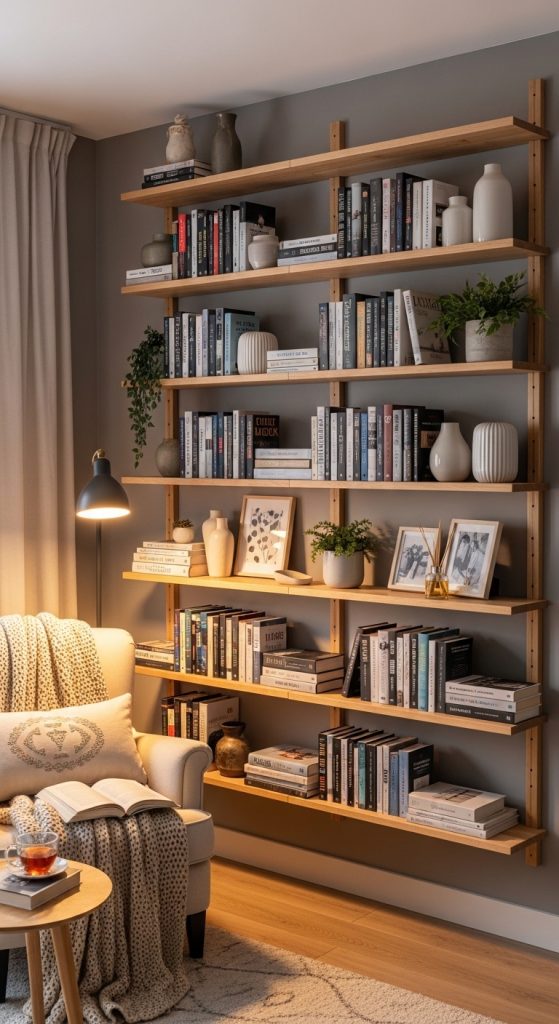
In small living rooms, floor space is limited, so vertical storage is essential. Designers suggest using tall bookshelves, wall-mounted cabinets, or floating shelves to maximize storage without encroaching on floor space. Vertical elements draw the eyes upward, emphasizing height rather than width, which makes the room feel more spacious. Additionally, open shelving can display decorative items while keeping the space organized.
7. Choose Light, Layered Window Treatments
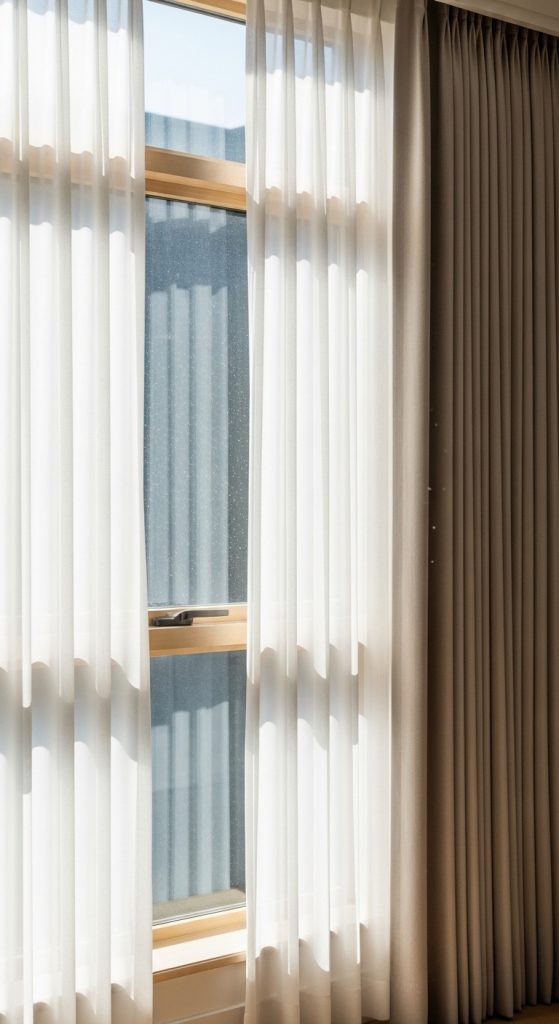
Heavy drapes can make a small living room feel closed in. Designers recommend light, sheer curtains or blinds that allow natural light to pour in while maintaining privacy. Layering curtains—using a sheer panel under a light-colored drape—adds texture and elegance without overwhelming the room. Keeping window treatments closer to the ceiling than the window frame can also make ceilings appear higher.
8. Incorporate Mirrors and Reflective Surfaces
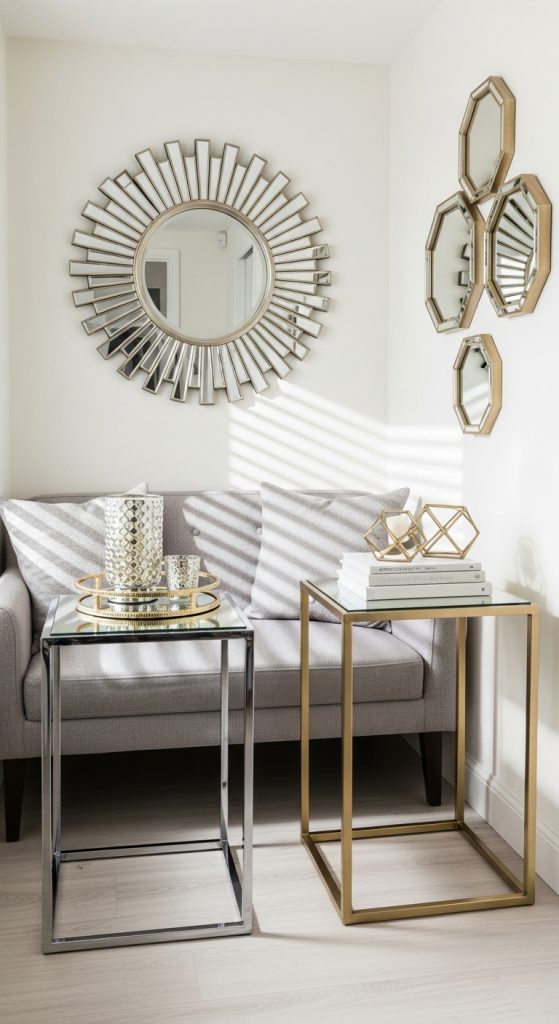
Reflective surfaces amplify the sense of space by bouncing light around the room. Designers often suggest incorporating glass, metallic finishes, or mirrored décor pieces. A mirrored coffee table or metallic accents on lamps and frames can enhance the brightness of a small living room. Even reflective surfaces in decorative trays or picture frames contribute subtly to an open, airy feel.
9. Keep It Minimal and Clutter-Free
Less is more in small living rooms. Designers emphasize minimalism, avoiding too many furniture pieces or bulky décor. Select a few standout items that complement each other rather than overcrowding the space. Hidden storage, like drawers under sofas or benches, helps maintain a clean aesthetic. Decluttering regularly ensures that the room remains functional and visually pleasing, even if it’s compact.

10. Play With Patterns and Textures
Finally, designers suggest using patterns and textures to add interest without taking up space. Subtle geometric patterns on rugs, textured cushions, or wall art can make a room feel dynamic and layered. Mixing different materials—like a velvet sofa with a woven rug and metallic accents—creates depth and sophistication. The key is to balance patterns and textures with neutral colors to avoid visual overload in a small space.

By integrating these designer-approved strategies, even the tiniest living room can become a stylish, functional haven. Thoughtful furniture selection, clever storage solutions, strategic use of color and light, and careful attention to textures and patterns all work together to enhance both space and style. With these tips, your small living room can feel open, inviting, and perfectly curated.
Leave a Reply