
A formal living room is more than just a space for seating—it’s a statement of style, sophistication, and personality. Unlike casual lounges or family rooms, formal living rooms are designed to impress guests, create a refined ambiance, and reflect your taste in décor. Whether you are redecorating a new home or looking to refresh an existing space, these 10 formal living room design ideas will inspire elegance, balance, and timeless charm.
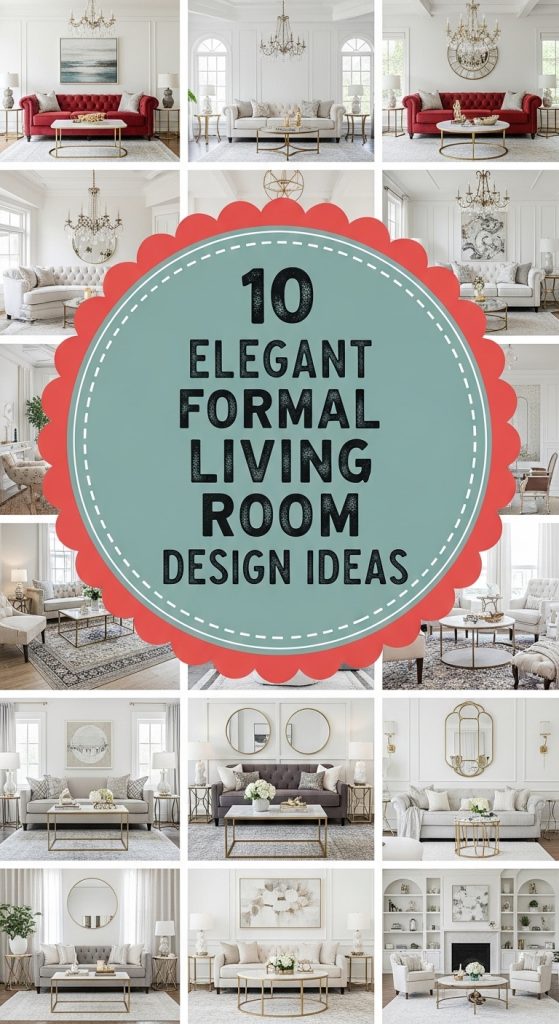
1. Classic Symmetry and Balance
A hallmark of formal living rooms is symmetry. Arranging furniture in balanced pairs—like two matching sofas facing each other or identical armchairs flanking a central coffee table—creates a sense of order and refinement. Accents like matching lamps, mirrored side tables, or paired artwork further enhance this aesthetic. Symmetry not only looks polished but also invites conversation by naturally centering people in the space.

2. Statement Chandeliers and Lighting
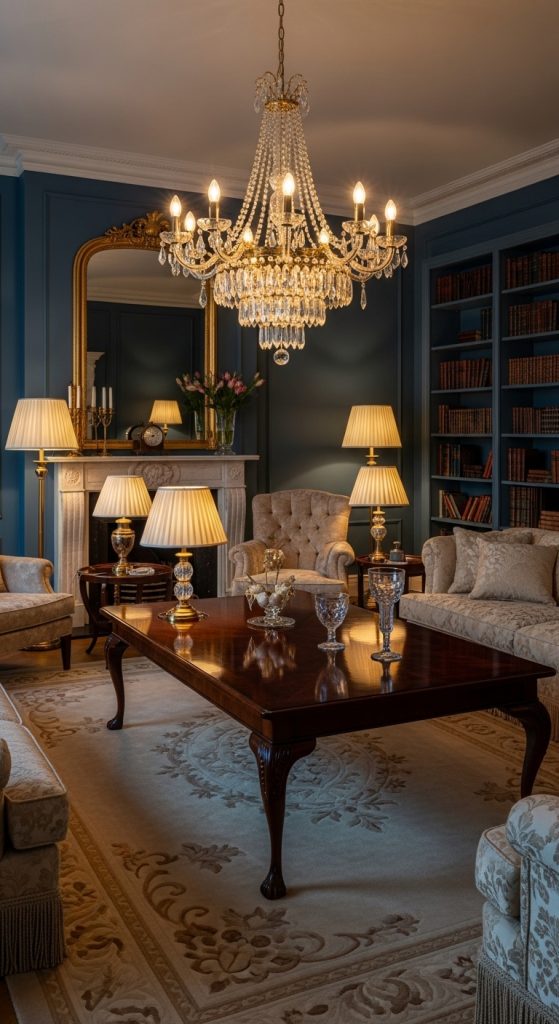
Lighting can define a formal living room’s mood. A grand chandelier, crystal pendant, or elegant sconce instantly elevates the room’s sophistication. Layering lighting—overhead fixtures, table lamps, and accent lighting—creates a warm, inviting glow, while also highlighting architectural details or artwork. Choose lighting that complements your furniture style, whether classic crystal, modern metallic, or vintage-inspired designs.
3. Rich Color Palettes
Formal living rooms often use deep, rich, or muted colors that exude elegance. Consider jewel tones like emerald, sapphire, or ruby, or opt for neutral palettes of taupe, cream, and gray with metallic accents. Accent walls or upholstered pieces in luxurious fabrics such as velvet or silk can anchor the room, while subtle patterns in rugs or curtains add visual interest without overwhelming the senses.

4. Sophisticated Furniture Choices
Furniture in formal living rooms should convey style without sacrificing comfort. Choose structured sofas, wingback chairs, and tailored ottomans with clean lines and polished finishes. Materials like wood, leather, and upholstered fabrics work well, and incorporating a few antique or designer pieces can enhance the room’s character. Keep furniture proportions balanced to maintain the sense of formality and avoid overcrowding.

5. Elegant Window Treatments
Window treatments are a key feature in formal living rooms. Floor-length curtains in rich fabrics like silk, velvet, or linen instantly add drama and sophistication. Layered treatments—such as sheers beneath heavier drapes—allow for light control while maintaining elegance. Opt for classic colors or subtle patterns to ensure the treatments complement the overall color scheme and architectural style.

6. Curated Art and Décor
Formal living rooms thrive on curated décor. Select a few statement pieces of art, sculptures, or framed prints that align with your aesthetic. Decorative mirrors can amplify light and create a sense of space, while tasteful vases, books, or figurines on side tables and mantels add personality. Less is often more; maintaining a clean, uncluttered look ensures that each piece stands out.

7. Luxurious Textures and Fabrics
Textures add depth and interest to a formal living room. Mix soft fabrics like velvet or chenille with polished materials such as glass, marble, or metal. Throw pillows, rugs, and upholstered furniture can create tactile layers, while incorporating a silk or cashmere throw on a sofa adds a touch of opulence. Thoughtful layering of textures ensures the room feels inviting without compromising formality.

8. Statement Flooring and Rugs
Flooring sets the tone for the room. Hardwood floors in rich finishes exude warmth and elegance, while marble or stone floors convey timeless sophistication. Area rugs can anchor seating arrangements and introduce color, pattern, or texture. Choose rugs with classic motifs—oriental, Persian, or geometric patterns—to enhance the formal vibe. Ensure the rug size aligns with furniture placement to maintain balance.

9. Architectural Details and Molding
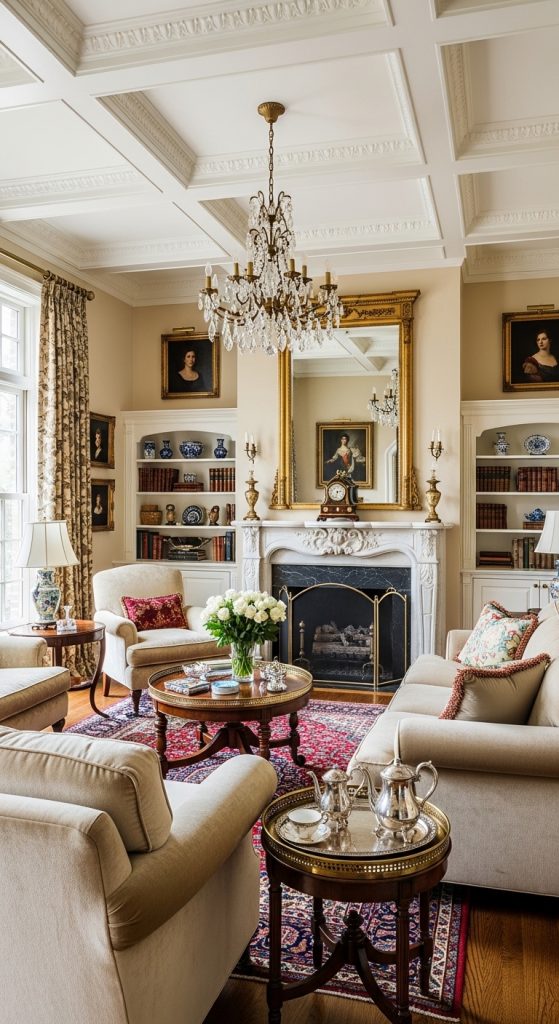
Architectural features elevate a formal living room effortlessly. Crown molding, wainscoting, coffered ceilings, or paneled walls provide structure and elegance. Even subtle details like a beautifully crafted fireplace mantel or built-in bookcases can make a significant impact. These features add visual interest and sophistication without relying solely on furniture or décor.
10. Thoughtful Accessorizing
Finally, accessorizing completes the look. In a formal living room, accessories should enhance rather than clutter. Consider polished trays, elegant candleholders, crystal bowls, or metallic accents. Fresh flowers or greenery add life and softness. Position items in a way that feels intentional—groupings of three or five often look balanced—so that the space maintains a sense of order and refinement.

Formal living rooms are a celebration of style, balance, and thoughtful design. By combining symmetry, luxurious materials, curated décor, and timeless colors, you can create a space that is both welcoming and visually stunning. Whether you favor classic, modern, or transitional styles, these 10 design ideas provide a foundation for crafting a formal living room that reflects your personality while impressing every guest who enters.
Leave a Reply